
You’ve probably heard a bit of buzz around Search Engine Optimization (SEO) lately. Or maybe it’s more of a hum. Since Google released Hummingbird (their major search engine overhaul) along with a host of ongoing changes, people are questioning the fate of SEO. Some claim it will be dead by year’s end, others don’t see it so bleakly. But, most tend to take the middle road and acknowledge that 2013 was the end of SEO as we know it; meaning it’s an ever-evolving art that is becoming less about algorithms and more about metrics-based content creation.
It seems like just a few short months ago when we were talking about Panda, but in reality, it was probably 500 adjustments ago. Google makes that many changes a year on average, and there is no sign that 1) that pattern will change and 2) that those changes won’t continue to have a significant affect on how your content gets found online.
As a publisher, what does that mean for you?
1) Continue to Create Quality Content. It’s true, you can still do what you do best. Google’s evolution is ever-trending in the direction of rewards for content of value. Many believe that SEO and Content Marketing are becoming synonymous. What does this mean?
- Be an authority. Demonstrate your expertise and how you can help your readers with all the content you create, curate and retain.
- Identify your customer’s pain points and offer solutions.
- Stay honest to your goal and your customers’ needs; create content that serves your readers.
2) Increase Your Efficiencies. Since creating quality content is your priority and you are probably not an expert in other areas of SEO, it’s important to make sure all your bases are covered, without diminishing your resources. It’s still very important to have:
- Meaningful internal links that enhance site navigation
- Relationship-based external links
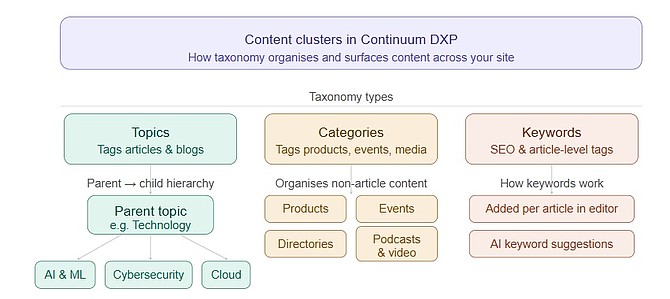
- Keywords; particularly long-tail keywords and themes
- Good URLs
- Automatic optimization of updated content; effective taxonomy tagging
Many publishers spend a lot of money hiring SEO consultants to execute these kinds of tasks, but why not reserve their services for helping you understand the SEO evolution? These capabilities are built into an Enterprise Publishing Platform, so the tasks can be done efficiently and you can focus on getting ahead of the trends. If you don’t have an EPS, perhaps it’s time to take the leap. If you do, work with your provider to make sure you are leveraging all of its features.
Come to think of it, an EPS can make all the difference with the next two tips, as well!
3) Be Responsive. No, we aren’t talking about returning phone calls and emails, although we might as well be. We can’t stress it enough: Responsive Design is of utmost importance for success in digital publishing. SEO is one reason why:
- Nearly half of emails viewed are viewed on a mobile device. Email marketing is still one of the most effective marketing tactics; you don’t want to lose its power because your readers can’t access and enjoy it on their mobile device.
- Google is trending towards emphasis on proper mobility. Speed will be an important factor. Non-responsiveness will only increasingly equate a negative user experience. Search engines don’t want that and will ultimately punish it.
4) Stay Social. Social engagement continues to grow as a powerful technique for driving traffic and building your brand’s awareness. Its importance in SEO has everything to do with its relationship to your content and your SEO-specific tactics. Social media expands your reach, and how much your audience interacts with you via those channels is a huge indicator of how they value your content.
It’s pretty clear that SEO isn’t going to disappear, but it will continue to evolve. Focus on these tips this year, and you’ll move right along with it.