As a BtoB Publisher, you’ve probably considered adding a buyers’ guide to your revenue mix, if you haven’t already. To be sure, a buyers’ guide is a great way to increase your revenue stream. But, that’s only true when it works properly and fulfills its potential. Let’s talk about what ensures the best ROI from your buyers’ guide:
- Self Serve. Yes, buyers’ guides increase your advertising offerings, but they shouldn’t increase your workload. A good buyers’ guide will allow visitors to create and manage their own listings, after registering and logging in. That said, self serve needs to be EASY; navigable templates and automated image placement ensure that each listing conveys the advertiser’s brand but also remains cohesive with the rest of the listings.
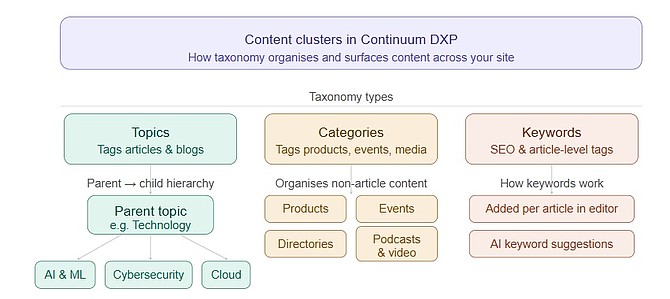
- Taxonomically Tied. Your buyers’ guide is not an island in itself. It should be an active, integrated piece of your overall website. That means that it should have the taxonomic capability that all your content has—so that relevant listings will show up in appropriate searches, be presented in context throughout the site and display with other relevant content on certain pages.
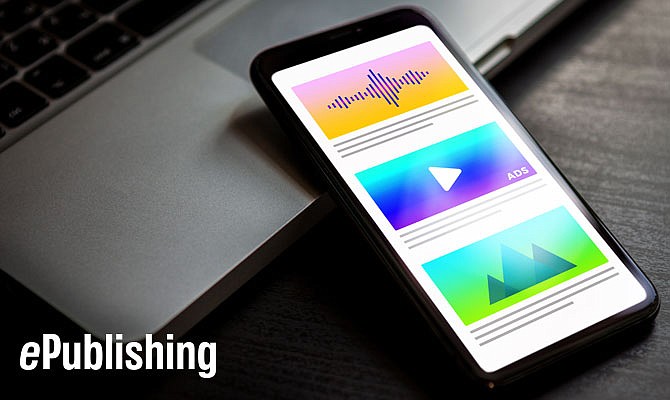
- Powerful Multimedia. High quality images and video are a given for valued content these days. The buyers’ guide should be no different, in that listings include both, when necessary. It will only serve to create the most engaging listings possible–after all, your visitors should find it as fun as browsing for a guitar.
- Categorical Flexibility. Sounds simple right? Anyone searching on a directory must be able to easily search topics and categories in order to find what they are looking for. But, sometimes, that’s easier said than done. People have different names for things. So, you’re buyers’ guide must enable advertisers to select more than one relevant category for their listing and have the ability to add a category if a relevant option does not already exist.
- A Variety of Search Options. Aside from being able to search via listed categories, users should also be able to plug search terms into a search bar and perform advanced searches.
- Contact Forms. Make it easy for readers to contact advertisers. Provide a form that enables readers to request information from one or several advertisers at once.
- Provide User Support. Yes, the idea is for a buyers’ guide to mostly run on its own. But, inevitably, advertisers or visitors may run into a problem when trying to use the guide. Make sure you provide a clear contact link on every page that enables people to contact you or provide feedback and designate a staff person to monitor it for rapid response.
If your buyers’ guide possesses these qualities, you are on your way to greater revenue and more traffic.