
In part I of this post, we talked about the lessons inherent in the NY Times digital innovation report and key points in thier renewed focus that can help all publishers to advance thier digital strategy. There are numerous nuggets of wisdom in this report, hence, we tried to break them up into digestible parts. To recap:
- Make audience development a core competency
- Recognize the longer shelf life of stories
- Harness the power of audience data
Let’s continue!
Make Your Editorial Department Digital First
- Collaboration is key. The report identified personalization (or individualization) as a distinct weakness. Now more than ever, you need to have sales, marketing, editorial and IT staff working together to understand and address the needs of your audience. Because, your audience behaves differently than it ever did and has more opportunities to engage with your content than ever—if you do it right.
- The report points out that IT and digital folks are more than technicians. Sure, these staff have historically been the go-to people for fixing technical issues and dealing with digital transitions, but they are also experts who have a sense of where things are going and how that might change how we do our work. Involving them in strategy discussions is absolutely about gaining the competitive edge and future-proofing your strategy.
- Speaking of strategy: Digital publishing moves swiftly and changes daily. The Times report talks about needing people focused exclusively on how to navigate those changes and plan for the future. Planning for the future shouldn’t be up to the people who are creating the content for right now.
- Writers and editors are relationship builders. At The Times, they are at odds with where they should be putting their energy. They shouldn’t just be writing stories anymore, they should be engaging with their readership via social media, blogs and comments. Helping them to step effectively into that role is paramount to building audience.
Social Media and the Disrupters
In part I of this post, we also made several mentions of social media as an integral part of the package. But, let’s focus on it in the context of the competition. The Times report calls attention to the fact that while visits to the homepage are dwindling with publications across the board, traffic from social media is on the rise. There are numerous ways to harness that power, yet, the report cites an instance where the Times tweeted a 161-year old story on Oscar night, Gawker grabbed it and fashioned their own story and that story went viral—the Times barely seeing the traffic generated by their original tweet.
As the report explains, disruptors will always be there and they become competition when they offer a product that is good enough for readers (even if it isn’t the best), but the Times has the advantage of a vast trove of content—dating back to 1851—that they can leverage and breath new life into with social media and the right taxonomy. They can give readers the context they are looking for, in a timely fashion, if they approach their archive with a social eye. That’s a good thing to focus on.
Here are a few lessons emerging from the report, which serve as a checklist to get started toward innovation with your digital brands:
- Take time to understand how your audience engages online.
- Consider working with your staff to redraw the lines of their roles in a way that better suits the digital world.
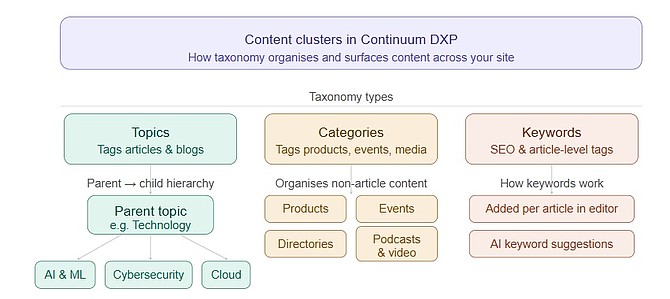
- Find ways to resurface and repurpose your wealth of existing content—and use your taxonomy to help you do so!
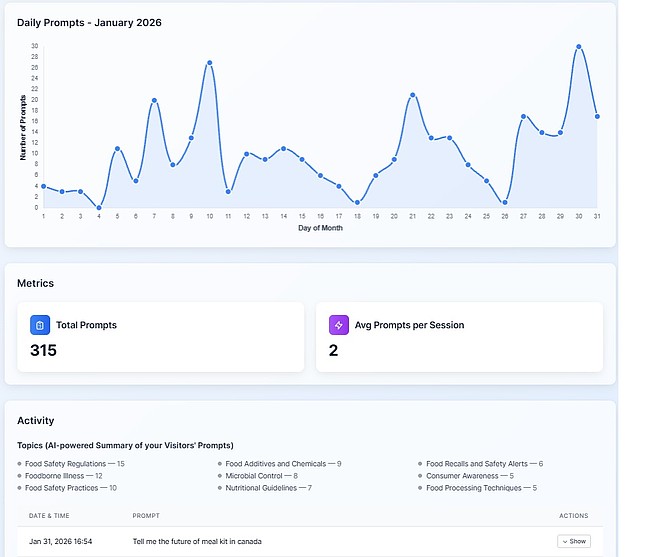
- Spend time with your audience data and let it tell you about your what your audience wants.
- Develop a social strategy that leverages your wealth of content and ensures the traffic comes to you.