As an online publisher, you’ve probably grown accustomed to the constant, faster pace of change that accompanies new ways of doing business. Hopefully, you’ve learned that every new development is not necessary for your business, and while it’s good to know what is happening, you are finding ways to sift through the options and make choices that truly suit your needs and support your growth. That’s the trick, isn’t it—making deliberate and efficient choices to be more efficient—so you can focus on providing quality to your customers?
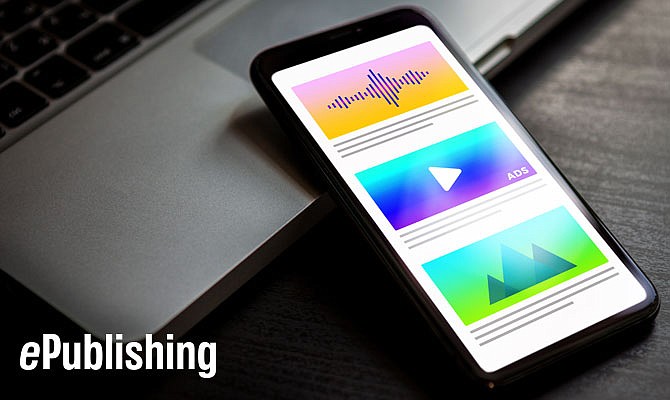
But, there are some things you shouldn’t ignore. HTML5 is one of them. As you probably know, HTML (Hypertext Markup Language) is the backbone for building content on the web—a standard language used by programmers and developers. As such, it too is perpetually evolving. HTML5 is the latest version and has captured widespread appeal simply because it makes it easier to distribute multimedia content to a broader audience with consistency—especially for the rapidly growing mobile device and tablet markets.
How?
- HTML5 eliminates the need for plug-ins when embedding video and audio content, which increases the accessibility of that content across devices—a particular boon for smartphones. As long as you have a browser that supports it (which is likely), HTML5 works everywhere, minimizing the resources you use to make sure your content translates.
- For users, HTML5 enables you to store data offline for web apps—allowing you to play your favorite games or compose emails while offline. Drag and drop options also allow you to easily transfer files into your emails, instead of searching around your hard drive.
Publishers are beginning to make the transition to HTML5 and some, like Hearst Digital Media, are already seeing increased traffic, unique visitors and page views.
It appears that it is only a matter of time before HTML5 is the standard—so it’s not a matter of “if” but “when” you make the transition.